When sealing fails at a rotating interface, the impact is rarely minor. Leaks, contamination, accelerated wear, and unplanned downtime quickly follow, especially in equipment operating under load, speed, or harsh conditions. This is where face seals play a critical role.
Unlike radial seals that rely on shaft contact, face seals create an axial sealing interface between two flat surfaces, making them well-suited for applications exposed to dirt, moisture, pressure fluctuations, and misalignment. They are commonly used in automotive drivetrains, hydraulic systems, construction equipment, and industrial machinery, where reliability directly affects performance and maintenance cycles.
Understanding how face seals work, where they perform best, and how to select the right configuration is essential for engineers, OEMs, and maintenance teams aiming to reduce failures and extend service life.
This blog breaks down face seals from a practical, application-driven perspective, helping you make informed sealing decisions with confidence.
TL;DR
Face seals create an axial seal between flat surfaces, making them reliable in rotating, dirty, wet, or misaligned environments.
They outperform radial seals where contamination, vibration, and pressure changes accelerate wear.
Different face seal types exist, from general-duty to heavy-duty designs, each matched to load, contamination, and service demands.
Material choice directly affects heat resistance, chemical compatibility, wear life, and maintenance intervals.
Proper selection, surface preparation, and controlled installation are key to preventing leaks and premature failure.
What Are Face Seals?
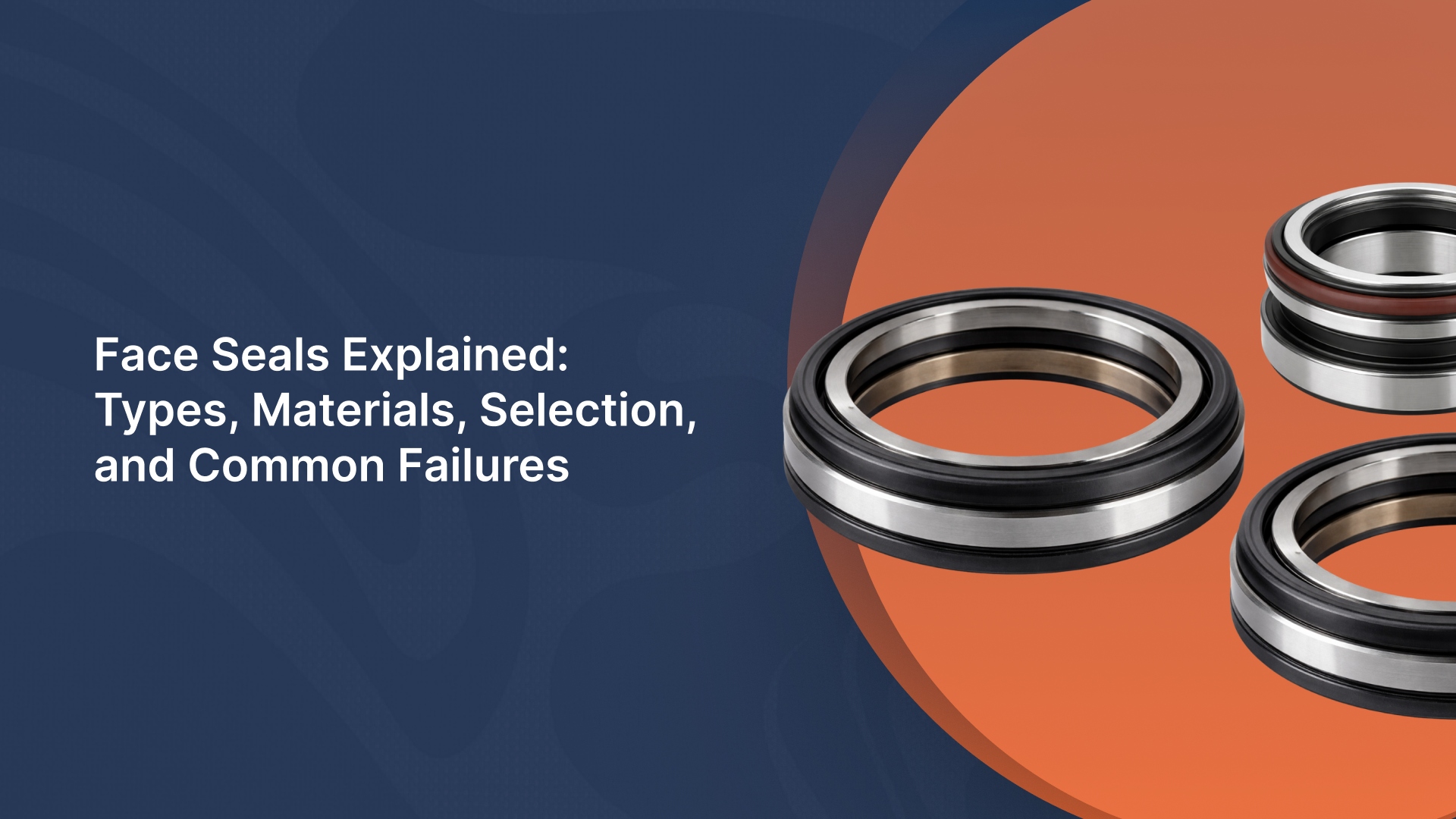
Face seals are sealing components that prevent leakage by sealing axially between two flat mating surfaces rather than around a shaft. Controlled compression creates a tight sealing interface that blocks fluid loss and contaminant ingress.
Seal axially between flat surfaces
Suitable for static and rotating assemblies
Tolerate vibration and pressure variation
Perform well in dirty or wet environments
Common in drivetrains, hydraulics, gearboxes, and heavy equipment
How Face Seals Differ from Other Seal Types
Different sealing solutions serve different mechanical needs. Face seals are often chosen when radial seals or O-rings reach their performance limits, especially in rotating or contamination-prone environments.
Seal Type | Sealing Direction | Typical Motion | Best Use Case | Key Limitation |
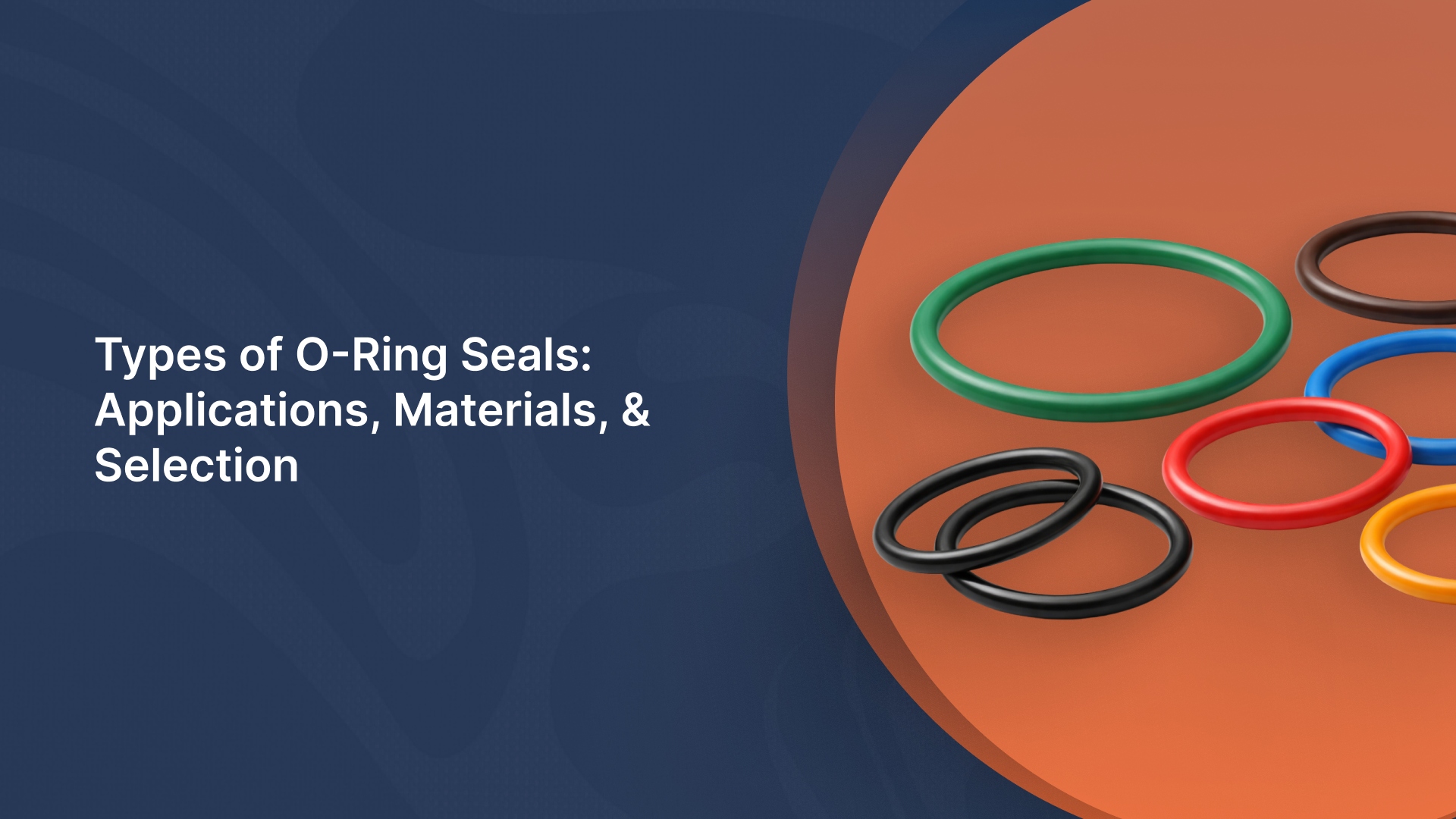
O-Rings | Radial or axial | Static, limited dynamic | Simple, low-cost sealing in controlled environments | Limited wear resistance at higher speeds |
Lip Seals | Radial | Continuous rotation | Shaft sealing with moderate speed and lubrication | Shaft wear and sensitivity to contamination |
Face Seals | Axial | Static or rotating | High reliability sealing in dirty, wet, or abrasive conditions | Requires flat, well-prepared mating surfaces |
Mechanical Face Seals | Axial | High-speed rotation | Extreme-duty applications with pressure and misalignment | Higher design and installation precision required |
Face seals stand out where environmental protection, durability, and tolerance to misalignment matter more than compactness or cost alone. This makes them a preferred choice in heavy equipment, drivetrain systems, and industrial machinery exposed to harsh operating conditions.
Common Types of Face Seals
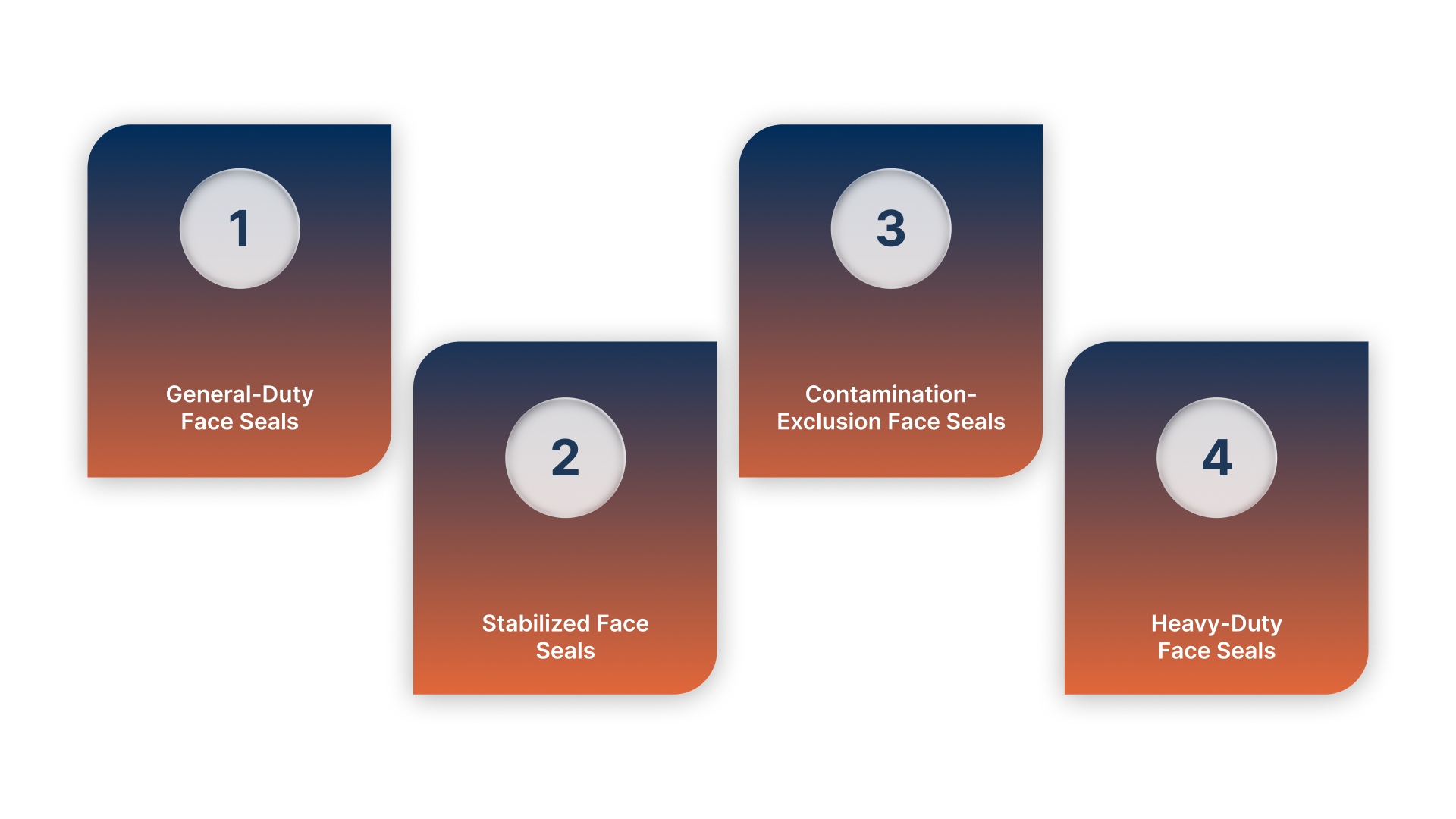
Face seals can be grouped by how much load, contamination, and mechanical stress they are designed to manage. This framework helps match seal type to real operating conditions.
1. General-Duty Face Seals
What they are: All-rubber axial seals designed for controlled environments.
Where they fit:
Light to moderate industrial equipment
Automotive assemblies with limited contamination exposure
Outcome: Flexible sealing with simple installation where operating conditions remain stable.
2. Stabilized Face Seals
What they are: Elastomer seals supported by a metal case to improve dimensional control.
Where they fit:
Assemblies exposed to vibration or axial movement
Equipment with tighter alignment requirements
Outcome: Improved seal consistency and reduced distortion under load.
3. Contamination-Exclusion Face Seals
What they are: Shaft-mounted axial seals, commonly known as V-seals, that rotate with the shaft.
Where they fit:
Gearboxes, motors, and rotating shafts
Applications needing lubricant retention and debris exclusion
Outcome: Extended component life through effective dirt and moisture protection.
4. Heavy-Duty Face Seals
What they are: Reinforced face seals built for extreme environments and long service cycles.
Where they fit:
Construction, mining, and agricultural equipment
Systems exposed to mud, dust, shock loads, and washdown
Outcome: High durability and reduced maintenance in severe operating conditions.
Materials Used in Face Seals and Why They Matter
The material used in a face seal directly determines its ability to handle heat, pressure, media exposure, and service life. Selecting the correct compound reduces premature wear and unplanned maintenance.
1. Nitrile Rubber (NBR)
Benefit: Strong compatibility with oils, fuels, and hydraulic fluids.
Outcome: Consistent sealing performance in automotive, hydraulic, and general industrial applications with moderate temperature ranges.
2. Hydrogenated Nitrile (HNBR)
Benefit: Improved resistance to heat, abrasion, and chemical attack.
Outcome: Longer seal life in high-load systems such as powertrains, heavy equipment, and demanding industrial machinery.
3. Fluoroelastomer (FKM)
Benefit: High thermal stability and resistance to aggressive chemicals.
Outcome: Reliable sealing in applications exposed to elevated temperatures, thermal cycling, or harsh media.
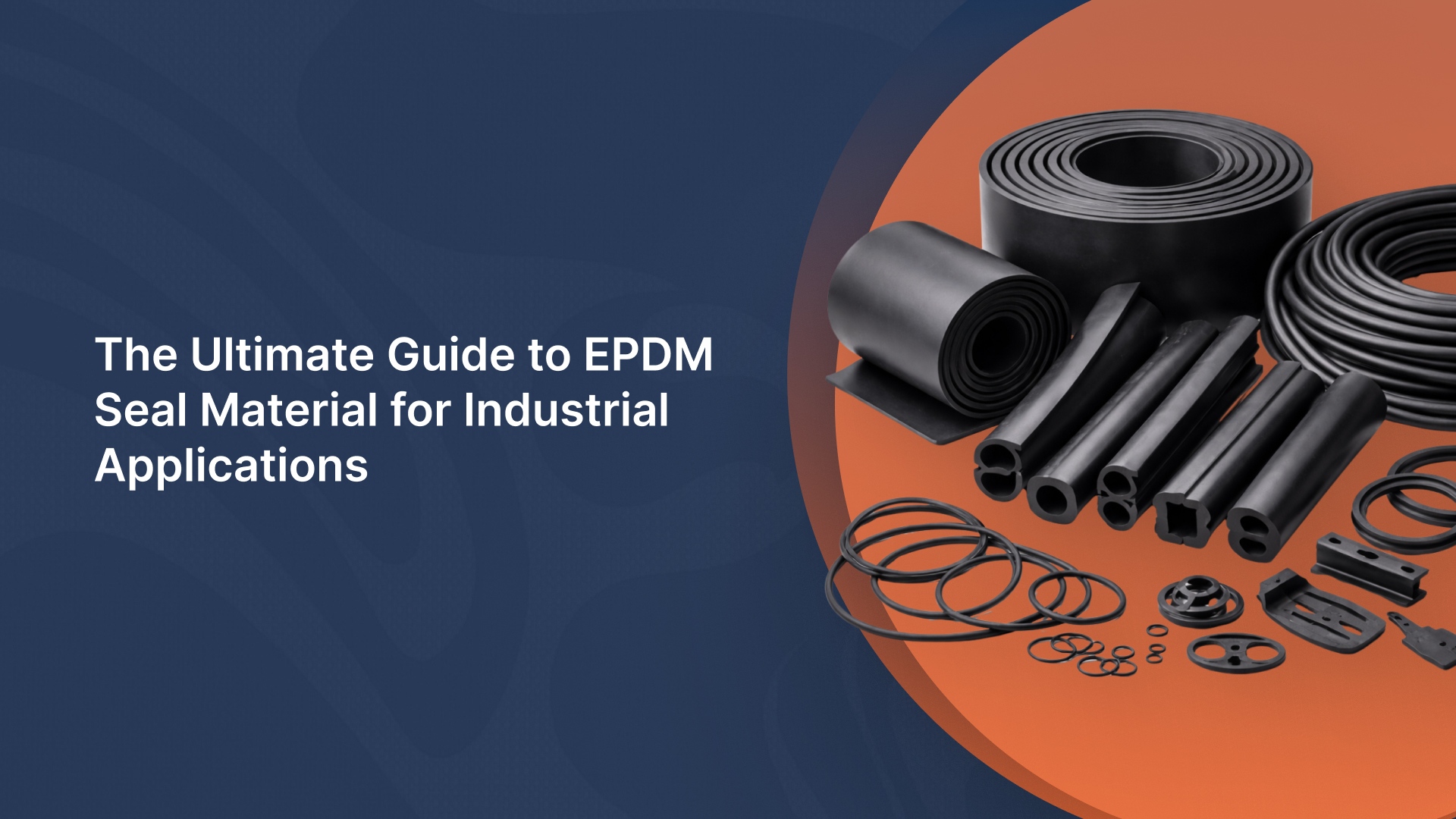
4. EPDM
Benefit: Excellent resistance to water, steam, and weathering.
Outcome: Stable performance in outdoor equipment, washdown environments, and water-handling systems.
5. Specialty and Reinforced Compounds
Benefit: Enhanced durability against abrasion, compression set, and contamination.
Outcome: Reduced failure risk in severe-duty environments such as construction, agriculture, and industrial operations.
Material selection is a primary driver of face seal reliability. Even with correct dimensions, an incorrect compound choice can shorten service life and increase maintenance costs.
How to Select the Right Face Seal
Choosing the correct face seal requires aligning seal design, material, and operating conditions. Use the checklist below to qualify the right option for your application.
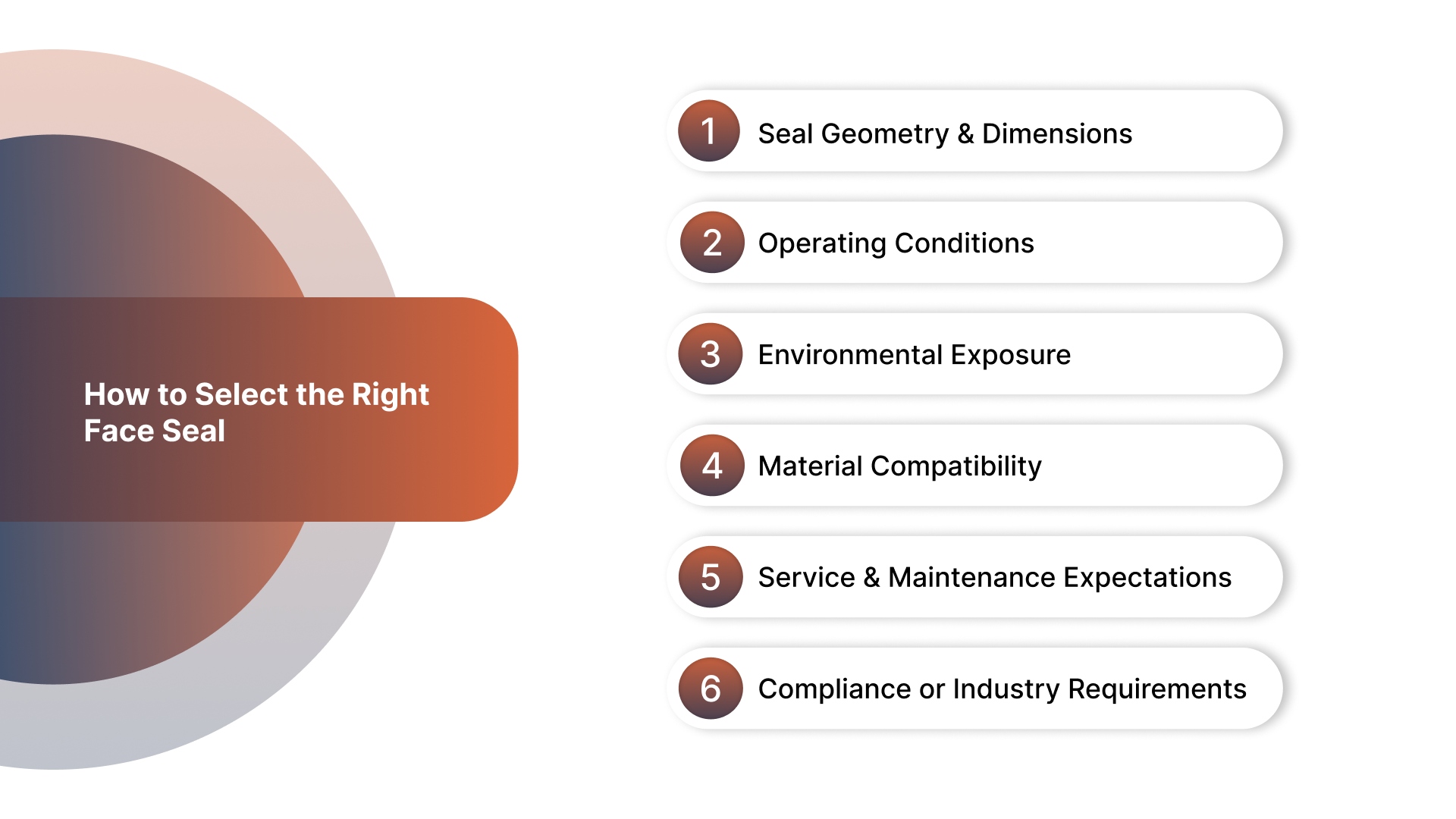
1. Seal Geometry and Dimensions
Confirm shaft diameter and housing dimensions
Verify available axial space for proper seal compression
Check surface flatness and finish of mating faces
2. Operating Conditions
Maximum and minimum operating temperature
Pressure levels and pressure cycling
Rotational speed or static operation
3. Environmental Exposure
Presence of dirt, dust, water, or abrasive media
Exposure to oils, fuels, chemicals, or cleaning agents
Outdoor or washdown conditions
4. Material Compatibility
Elastomer resistance to system fluids and temperature range
Required wear life and compression set resistance
Need for reinforced or specialty compounds
5. Service and Maintenance Expectations
Target service life and replacement intervals
Accessibility for inspection or replacement
Cost of downtime or seal failure
6. Compliance or Industry Requirements
Automotive, industrial, or heavy-equipment standards
Water, food-contact, or cleanliness expectations, if applicable
If multiple boxes raise concerns or fall outside standard parameters, a custom face seal or engineering review is often the most reliable path forward.
Installation Best Practices for Face Seals
Correct installation is critical to face seal performance. Even a properly selected seal can fail early if installation steps are rushed or inconsistent.
Step 1: Inspect Mating Surfaces
Check the shaft and housing faces for flatness, scratches, corrosion, or burrs. Surface defects can compromise sealing contact and lead to leakage.
Step 2: Clean the Installation Area
Remove dirt, debris, oil residue, or metal particles from all sealing surfaces. Contamination trapped during installation can damage the seal face during operation.
Step 3: Verify Alignment
Confirm that mating components are aligned before installation. Misalignment increases uneven compression and accelerates seal wear.
Step 4: Apply Lubrication if Required
Use a compatible lubricant when recommended to reduce installation friction and prevent tearing or distortion of the seal.
Step 5: Install Evenly
Press the face seal into position evenly and gradually. Avoid tilting, stretching, or forcing the seal into place, as this can deform the sealing surface.
Step 6: Confirm Proper Compression
After assembly, verify that the seal is seated correctly and compressed uniformly across the sealing face. Uneven compression often leads to early leakage.
Following a controlled installation process helps maintain seal geometry, reduce wear, and extend service life in both static and rotating applications.
Common Face Seal Failures and How to Prevent Them
Face seal failures typically stem from installation errors, material mismatch, or operating conditions outside design limits. Identifying the failure mode early helps reduce downtime and repeat issues.
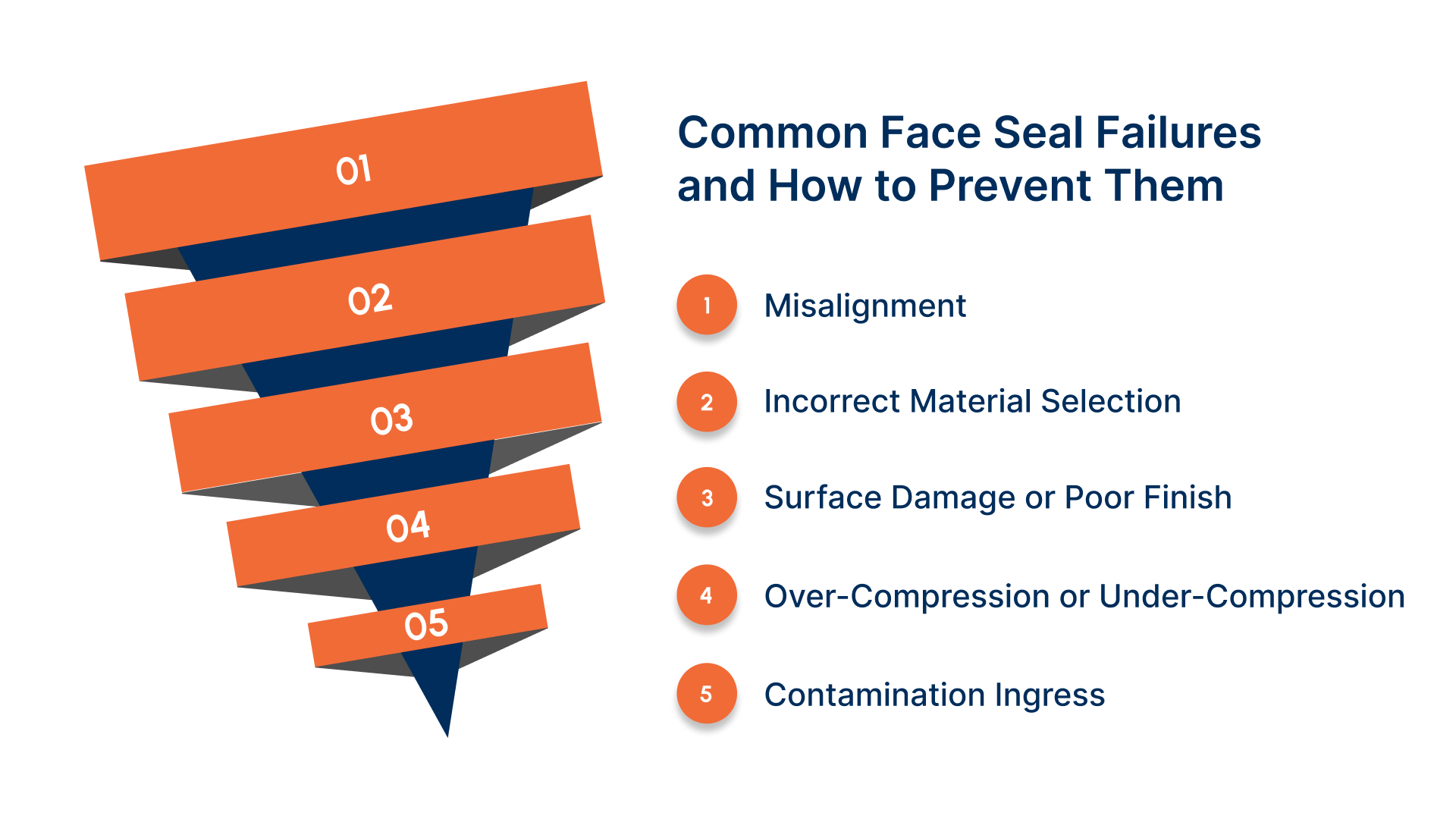
1. Misalignment
Risk: Uneven axial contact causes localized wear and early leakage.
Mitigation: Verify shaft and housing alignment before installation and maintain proper tolerances during assembly.
2. Incorrect Material Selection
Risk: Seal swelling, cracking, or hardening due to fluid or temperature incompatibility.
Mitigation: Match elastomer compounds to operating media, temperature range, and environmental exposure.
3. Surface Damage or Poor Finish
Risk: Scratches or irregularities prevent full sealing contact.
Mitigation: Inspect and prepare mating surfaces to meet flatness and finish requirements before installation.
4. Over-Compression or Under-Compression
Risk: Excessive compression deforms the seal, while insufficient compression leads to leakage.
Mitigation: Follow recommended groove dimensions and axial compression limits for the seal design.
5. Contamination Ingress
Risk: Dirt, debris, or moisture accelerates wear and degrades sealing performance.
Mitigation: Use appropriate face seal designs or secondary seals in dirty or wet environments.
Preventing these failure modes requires a combination of correct seal selection, proper installation, and realistic assessment of operating conditions.
Conclusion
Face seals play a critical role in protecting rotating and static interfaces where contamination, vibration, and misalignment are constant risks. When properly selected and installed, they help retain lubricants, block debris, and extend the service life of equipment operating in demanding environments.
Detroit Sealing Components supports face seal applications with both standard and custom solutions engineered to match real operating conditions. With expertise in material selection, dimensional control, and severe-duty sealing requirements, DSC helps OEMs, engineers, and maintenance teams reduce premature failures and improve long-term reliability.
Connect with the Detroit Sealing Components team to evaluate face seal options for your application and ensure consistent sealing performance across your systems.
FAQs
1. What is a face seal used for?
A face seal is used to prevent leakage and contamination between two flat mating surfaces, especially in rotating or exposed assemblies where radial seals may wear quickly.
2. When should a face seal be used instead of a radial seal?
Face seals are preferred when equipment operates in dirty, wet, or abrasive environments, or when misalignment and vibration make radial shaft seals less reliable.
3. Can face seals be used in rotating applications?
Yes. Many face seals are designed for rotating assemblies and maintain axial sealing contact while the shaft turns, provided alignment and surface finish requirements are met.
4. What causes premature face seal failure?
Common causes include incorrect material selection, uneven compression, surface damage, and contamination during installation or operation.
5. Are custom face seals necessary for harsh environments?
Custom face seals are often required when standard designs cannot handle extreme temperatures, heavy contamination, unusual geometries, or long service life expectations.